
If there’s one skincare step that delivers instant gratification and long-term benefits, it’s a thoughtfully formulated Hyaluronic Acid Serum For Face. Lightweight yet transformative, this type of serum boosts visible hydration, restores bounce, and smooths the look of fine lines without heaviness or irritation. Whether your skin is oily, dry, sensitive, or somewhere in between, hyaluronic acid (HA) functions as a universal hydrator—drawing water into the skin and helping your barrier stay resilient in changing climates and everyday stressors. With clean, high-quality ingredients and simple routines, it’s easy to make your complexion look and feel healthier, more supple, and naturally luminous.
What Makes Hyaluronic Acid So Effective On Facial Skin
Hyaluronic acid is a naturally occurring polysaccharide found in the skin, joints, and eyes. Its superpower is humectancy: it attracts and binds water like a magnet. A well-formulated Hyaluronic Acid Serum can hold many times its weight in water, delivering an immediate feeling of cushiony softness while supporting the skin’s moisture reservoir over time. When your skin is properly hydrated, it appears plumper and more elastic, which helps soften the look of fine lines and creases and gives a smoother, more even surface for makeup application.
Modern serums often rely on sodium hyaluronate, a salt form of HA with a smaller molecular size that penetrates more readily. You may also see hydrolyzed hyaluronic acid for surface-level hydration and multi-molecular weight complexes designed to hydrate across layers of the epidermis. This blend can help your skin feel quenched immediately while also reducing transepidermal water loss for hours after application. The result is skin that looks less dull and fatigued and more like itself—bouncy, dewy, and calm.
A clean, minimalist INCI list matters because HA pairs best with supportive hydrators rather than heavy fillers. Look for complementary ingredients like glycerin (another powerful humectant), panthenol (vitamin B5) for soothing, and aloe for lightweight comfort. Fragrance-free, dye-free, and paraben-free formulas lower the risk of irritation and make daily use easy for even sensitive complexions. If you prefer mindful manufacturing, consider options crafted in the USA and never tested on animals—these choices align hydration performance with values that prioritize skin health and environmental care.
Ready to experience the difference? Explore Hyaluronic Acid Serum For Face options that prioritize pure, effective ingredients and noticeable results, so you can build a routine that respects your skin—and your standards.
How To Use Hyaluronic Acid Serum For Best Results: Routines, Skin Types, and Real-World Scenarios
Using a Hyaluronic Acid Serum For Face is straightforward, but small application tweaks can significantly enhance performance. Start on clean, slightly damp skin—fresh from cleansing or after a hydrating mist. HA works best when there’s moisture available to bind, so that hint of dampness helps your serum anchor hydration where you need it most. Dispense 2–4 drops into your palms, press across the face, and don’t forget your neck. Follow immediately with a moisturizer to seal in hydration and finish with sunscreen in the morning. This simple “serum, seal, shield” sequence supports supple skin day after day.
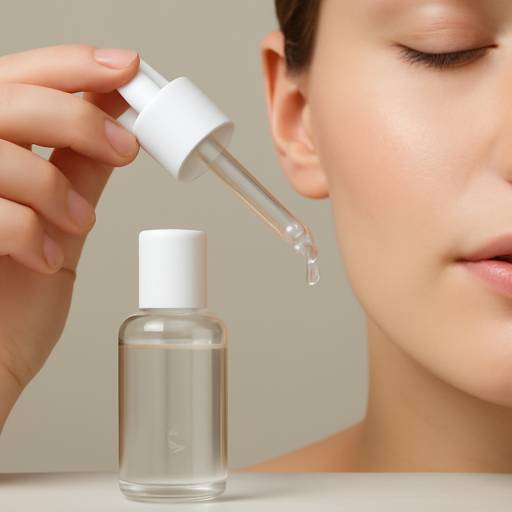
Morning routines typically pair hyaluronic acid with antioxidants like vitamin C or soothing partners such as niacinamide, helping to brighten and minimize the look of pores while keeping your barrier happy. In the evening, HA layers beautifully under peptides or gentle retinoids; its cushioning hydration can offset the dryness that sometimes comes with more active treatments. If you live in a dry climate—or work in air conditioning or spend time on airplanes—reapplying a small amount of HA serum over a light mist midday can refresh your glow without disturbing makeup. Always re-seal with a light moisturizer if you have time.
Real-world examples highlight HA’s versatility. A frequent traveler dealing with parched, tight skin can press a few drops over a hydrating mist mid-flight for immediate comfort. A combination or oily skin type might use just 1–2 drops under a gel moisturizer to hydrate without shine. Those with sensitive or post-procedure skin often appreciate the non-irritating nature of hyaluronic acid when they need to simplify their routine to essentials. For mature complexions, consistent use helps minimize the look of fine lines and strengthen the feeling of bounce in skin over time, especially when combined with barrier-lovin g ingredients like ceramides.
Pro tips can fine-tune your results. If a serum ever feels sticky, you may be using too much—scale back to a pea-sized amount. In very arid environments, ensure your skin is damp before application and always follow with moisturizer; humectants need water to perform at their best. Experiencing pilling? Allow each step to absorb fully before the next, and opt for lighter layers. Hyaluronic acid is generally well-tolerated for daily AM/PM use and is commonly considered pregnancy-safe, but when in doubt, check with your healthcare provider. With these simple habits, HA becomes a hardworking daily staple you’ll actually look forward to applying.
How To Choose A Clean, Effective Hyaluronic Acid Serum—and Answers To Common Questions
Not all serums are created equal. When shopping for a Hyaluronic Acid Serum For Face, start by scanning the ingredient list. Look for sodium hyaluronate high in the list for meaningful potency, sometimes alongside hydrolyzed HA for surface smoothing. Many effective formulas feature around 2% hyaluronic acid complexes; more isn’t always better if the supporting base is heavy or irritating. A smart formulation balances HA with glycerin, aloe, and B5 to promote hydration synergy. If your skin is sensitive, fragrance-free and dye-free is the safest path to everyday comfort.
Quality standards also matter for people who prefer a conscientious approach to skincare. Choosing products made in the USA can offer a measure of supply-chain transparency. Paraben-free, cruelty-free formulations reflect a commitment to safety and ethics without compromising performance. Thoughtful packaging—such as opaque or UV-protective bottles—helps preserve the integrity of your serum from the first drop to the last, ensuring a consistently fresh experience on your skin.
Common questions often revolve around compatibility and timing. Can you use hyaluronic acid with retinol, AHAs, or BHAs? Yes—HA is a team player that supports the moisture your skin needs while you explore more intensive actives. Apply HA after water-based toners and before creams or oils. Is it suitable for acne-prone or oily skin? Absolutely; its water-based hydration won’t congest pores and can even help balance excess oil by ensuring your skin doesn’t overcompensate for dehydration. Will HA alone replace your moisturizer? No; think of it as the hydration engine that needs a sealing step—your moisturizer—to lock in the benefits, especially in dry climates.
Another frequent concern: how long until you see results? You’ll typically notice an immediate plumping and softening effect, with more enduring improvements—in texture, bounce, and a reduction in the look of fine lines—developing over several weeks of consistent use. If you’re building a streamlined routine, pairing your Hyaluronic Acid Serum with a daily SPF and a gentle cleanser forms a strong foundation for calm, healthy-looking skin. Add actives like vitamin C in the morning or peptides at night as your skin tolerates. The goal is simple: clean, effective hydration that slots effortlessly into your life, helping your complexion look refreshed, smooth, and naturally radiant from the first application.

Casablanca data-journalist embedded in Toronto’s fintech corridor. Leyla deciphers open-banking APIs, Moroccan Andalusian music, and snow-cycling techniques. She DJ-streams gnawa-meets-synthwave sets after deadline sprints.

Leave a Reply